Non-GMO Food Products Market Competitive Landscape, Driving Factors and Challenges Analysis 2029

Apr 8, 2021

2019 Analysis and Review Non-GMO Food Products Market by Distribution Channel - Direct Sales and Indirect Sales for 2019 - 2029

Dubai, United Arab Emirates - April 7, 2021 /MarketersMedia/ —

The global non-GMO food products market is poised to grow at an exponential 12% CAGR through the forecast period (2019 - 2029). According to a new study by Future Market Insights (FMI), the market for non-GMO food products is largely influenced by changes in consumer demand and easier access to superior farming technologies.

"Favorable consumer trends and increasing government regulations will enable manufacturers to produce and promote non-GMO products. Advanced packaging and labelling technologies such as QR codes and RFID will aid growth," reveals the FMI report.

To Get Sample Copy of Report Visit @ https://www.futuremarketinsights.com/reports/sample/rep-gb-11088

Key Research Findings of FMI's Non-GMO Food Products Market Study

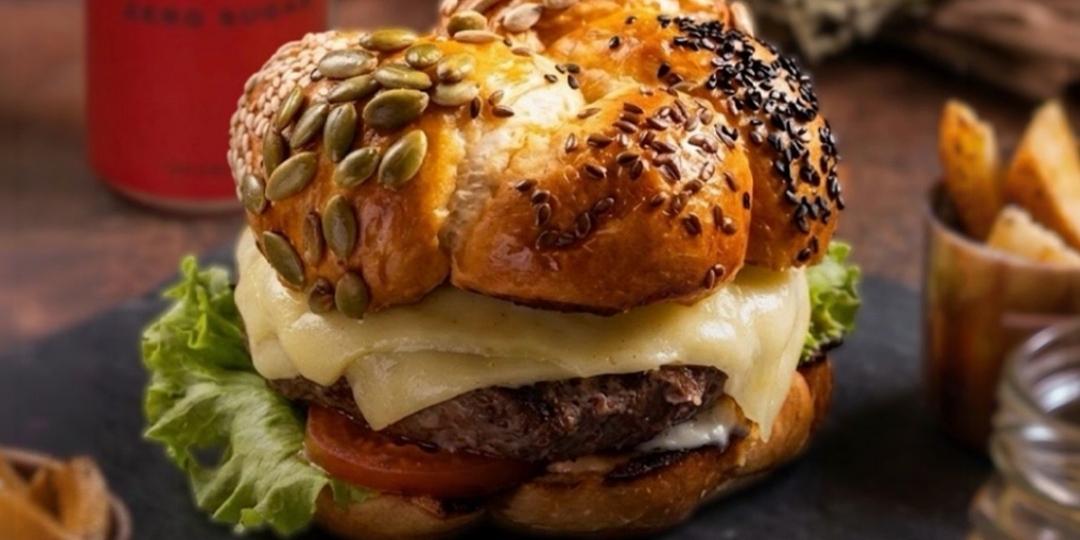
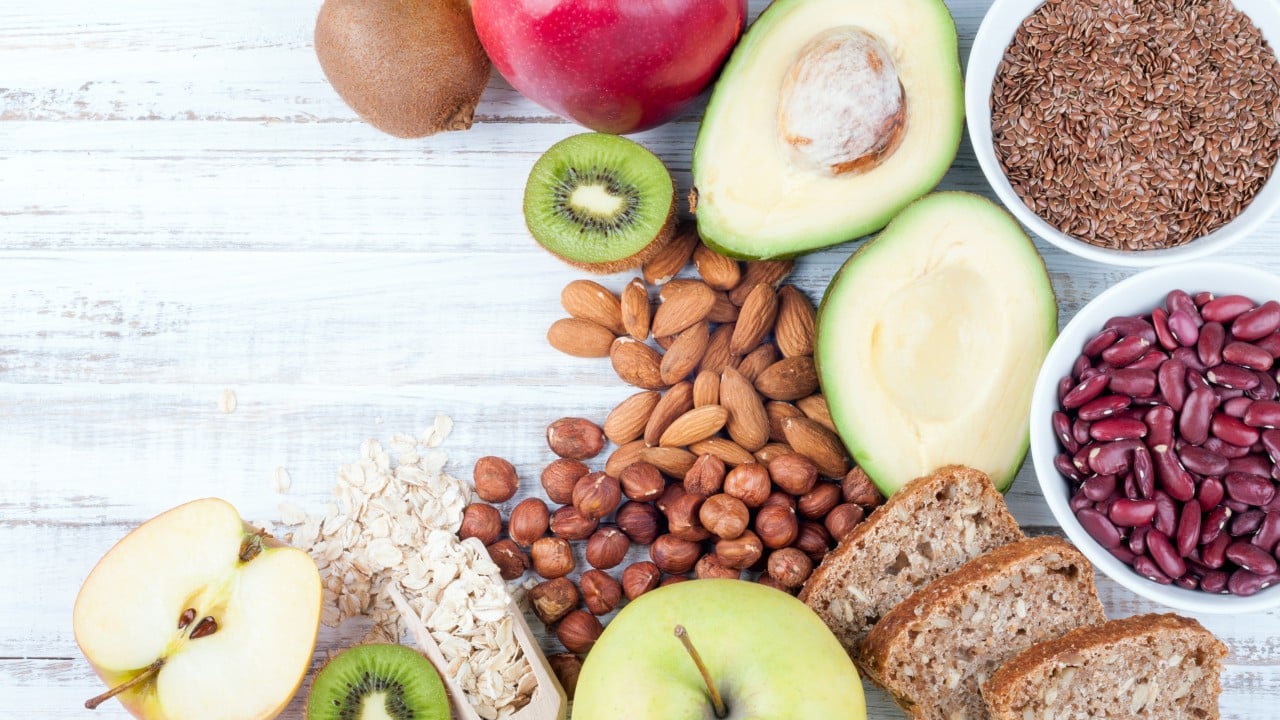
Grains and cereals will account for major market demand with a growth rate of 22% through 2029
Bakery and confectionary products will generate lucrative opportunities with 19% growth.
Indirect distribution channels will prevail in terms of market share and growth.
North America and Latin America will cumulatively account for more than 50% of the overall market value.

Key Growth Drivers - Non-GMO Food Products Market

Rising purchase potential and lower costs of production play a major role in the growth of the non-GMO food products market.
Advances in labeling and packaging practices will contribute significantly to the demand.
Rising consumer awareness and the prevalence of vegan, plant-based diets, will contribute to market growth.

Key Impediments - Non-GMO Food Products Market

Changes in consumer preferences, and economic conditions to demographic trends is a key challenge to manufacturers active in non-GMO food products market.
Premium pricing of non-GMO food products is also a major challenge restricting the growth of the industry.

For More Details, Ask Analyst @ https://www.futuremarketinsights.com/ask-question/rep-gb-11088

Competition Structure Analysis - Non-GMO Food Products Market

The competition landscape of non-GMO food products market remains moderately fragmented and competitive. Key producers are pushing for establishment of distribution warehouses for effective logistics, in addition to mapping future growth trajectories on the basis of consumer income levels and the penetration of vegan, plant based diets.

Some of the key players in the non-GMO food products market include, but are not limited to Cargill Inc., The Hain Celestial Group Inc., Associated British Foods Plc, Nestle S.A., General Mills Inc., Danone, Kraft Heinz, and Archer Daniels Midland Company.

Explore Future Market Insights' detailed coverage on,

Pharmaceutical Lactose Market

Beet Pulp Market

Herbs and Spices Market

Contact Info:
Name: Abhishek Budholiya
Email: Send Email
Organization: Future Market Insights
Website: https://www.futuremarketinsights.com/reports/non-gmo-food-products-market

Source URL: https://marketersmedia.com/non-gmo-food-products-market-competitive-landscape-driving-factors-and-challenges-analysis-2029/89004212

Source: MarketersMedia

Release ID: 89004212

More News

Solar prints, high-shine hues, boxy looks stride down runway

Oct 2, 2026

Solar prints, high-shine hues, boxy looks stride down runway

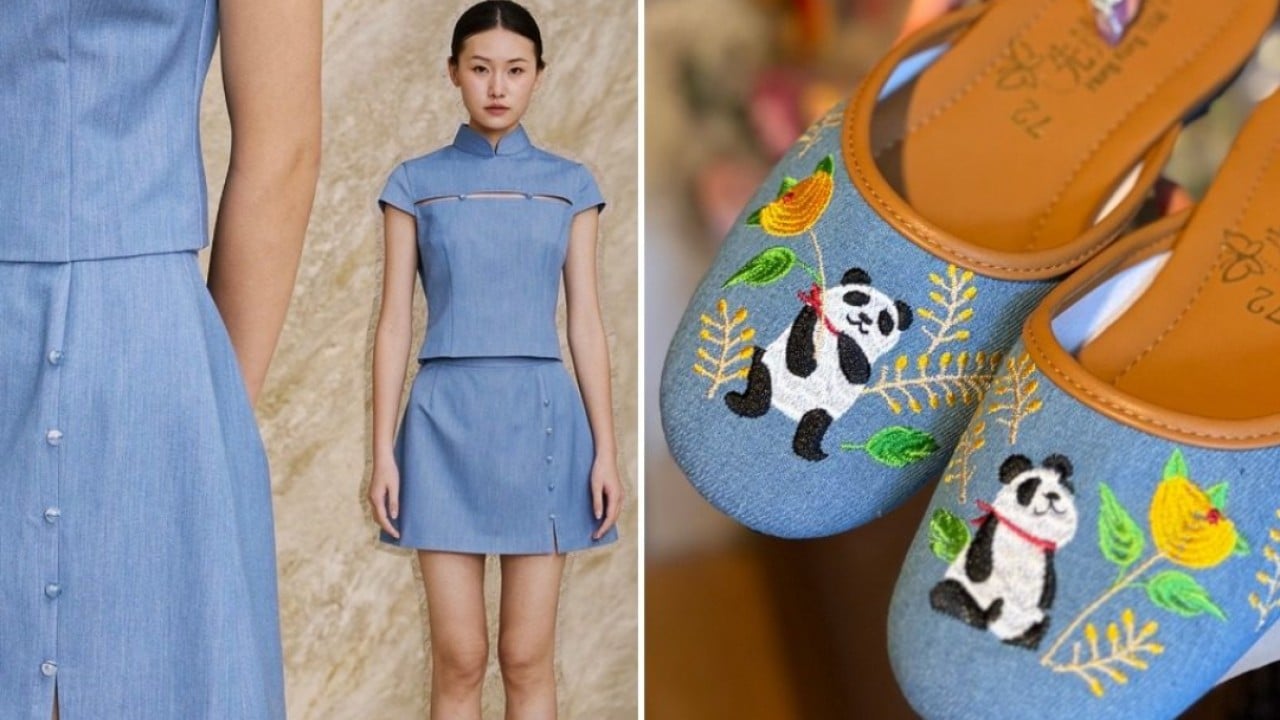
Group fashion shows in the past often came across like an unspoken competition among the participating designers. The more flamboyant and outré the outfits, the better. Long-time fashion watchers might recall how veteran designer Frederick Peralta once presented an all-giraffe print collection punctuated with heavy, organic-looking jewelry. Although there were others who presented pocket collections before and after him that evening, all anyone remembers was his safari-inspired set. In group shows now, designers have become more introspective, more deliberate. They are grateful for the chance to come up with collections that distill their aesthetic and show where they’re headed. Designers who are invited by Bench to present at the biannual Bench Fashion Week (BFW) see it as an opportunity that is not to be taken lightly. For the holiday edition of BFW 2026 held Sept. 26 and 27, Cebu-based designer Edwin Ao turned street photos he had taken with his phone into a series of deconstructed looks that still managed to highlight expert tailoring. Ao is credited for being one of the designers who updated the look of the barong Tagalog by embroidering playful graffiti on it instead of resorting to the traditional designs. The long-time designer used to work with Arcy Gayatin, another Cebu designer, on clubwear looks popular during the early 2000s. He then worked with academe for close to two decades before becoming a faculty member under the product design program at the University of the Philippines Cebu. In an interview with The Manila Times prior to the show, he said he experimented with solar dyeing and rust techniques for his collection. Dubbed “Chlorophyll Hexagons: The Body in Impermanence,” it features separates with exposed stitching and unfinished hems. He embellished a vest and asymmetrically cut skirt with a mix of matte and shiny buttons that looked like paillettes from a distance. “[But] central to the collection is solar printing, where sunlight and chlorophyll become agents of imprint and change,” Ao wrote in his show notes. TernoCon 2025 Gawad Pura Escurdia award winner Bryan Peralta veered away from the structure required of the terno and came up with billowing, color-drenched pieces. There were unlined trenches and blousy pants made with parachute-like taffeta. He also played around with proportion — short, kicky outfits under those large, jewel-toned jackets. His collection, “The Golden Record,” was inspired by the 1977 NASA Voyager space probes that housed golden discs. Each disc contained recorded sounds and images of Earth that the space agency hoped would connect with extraterrestrial life. Peralta said his “boldly optimistic color palette... is a celebration of dressing up and proudly wearing your curiosities on your sleeve.” Reese de Guzman of R. Studios was inspired by Picasso’s 1957 Pigeon series and came up with a collection that ranged from oversized blazers and jackets to feathered tops and draped skirts. In her show notes, she described her “Paloma” collection as “a playful mix of colors, draped silhouettes, and unconventional textiles.” There were a few tweeds and tops with feathered fringe with many of the pieces sharing a boxy look. Even a vest that is usually worn snug was manipulated to hover just over the shoulders. “[It’s] a breath of fresh air and the idea of fleeting times,” de Guzman said in her show notes.

YOUR NEWS, OUR NETWORK.

Do you have Great News you want to tell the world?

Be it updates about your business or your community, you can make sure that it’s heard by submitting your story to our network reaching hundreds of news sites across 6 verticals.