
Japan’s Gyms Grow by 30% in Two Years as Low Prices and Convenience Draw New Customers
Nov 9, 2026
The number of fitness facilities nationwide has risen by about 30% in two years. Low prices, 24-hour access and services beyond exercise are attracting people who have never belonged to a gym. But behind the expansion, operators face rising costs, member turnover and customer service disputes.
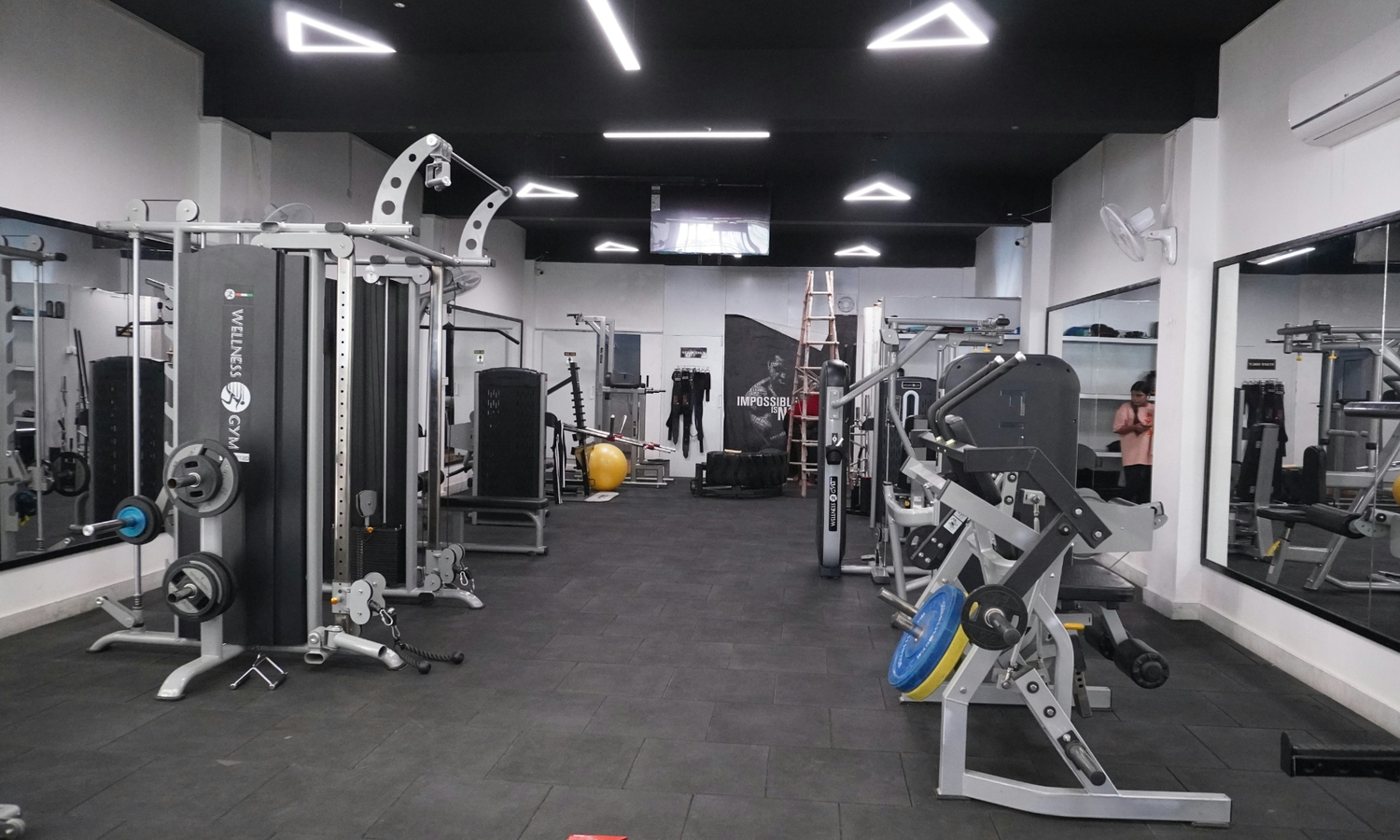
TOKYO, JAPAN (MERXWIRE) – For Mrs. Takahashi, a resident of Tokyo’s Ikebukuro area, the reason to visit the gym once or twice a week is neither weight loss nor muscle gain. It is the laundry. “Ever since I could exercise and do my laundry at the same time, I’ve come to love going to the gym. And I no longer have to worry about rainy days or pollen,” she said. Her experience reflects the kind of customer Japan’s fitness industry is seeking to attract: people without an established exercise routine who are not necessarily looking for an intense workout, but simply want a convenient place to get moving.
According to the Economic Census conducted by Japan’s Ministry of Internal Affairs and Communications and Ministry of Economy, Trade and Industry, the number of fitness club establishments nationwide rose from 3,760 in 2012 to 7,565 in 2021, roughly doubling in nine years.
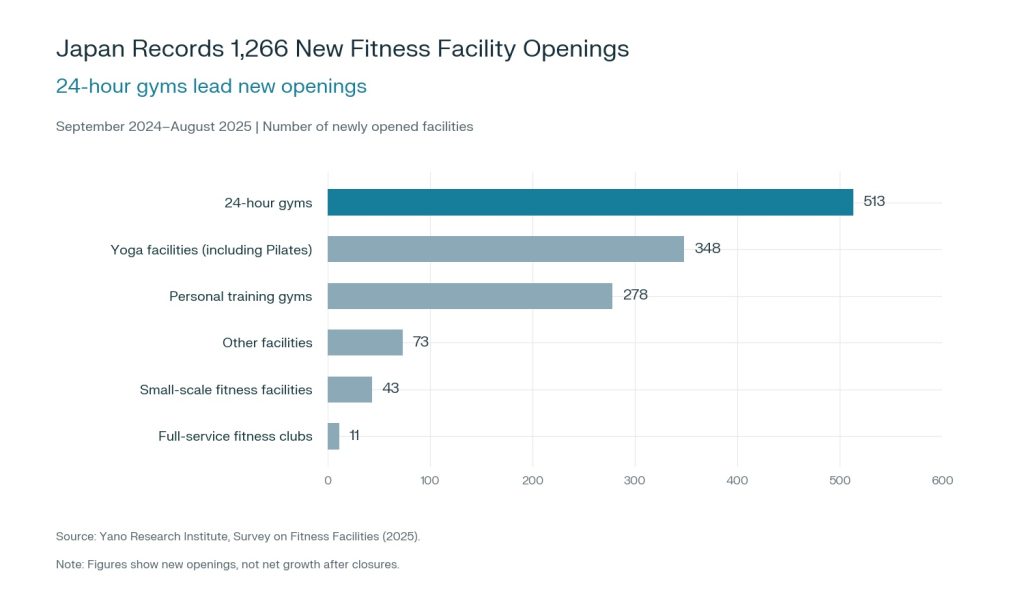
A separate survey by Yano Research Institute counted 13,876 fitness facilities in August 2025, up about 30% from 10,610 in July 2023. Between September 2024 and August 2025, 1,266 new facilities opened — an average of more than three a day. Although the government census and private survey differ in scope and cannot be compared directly, both show an increase over their respective reporting periods.
As the number of locations grows, consumers have more choices. Alongside traditional clubs with swimming pools and group classes, smaller, lower-priced gyms offering round-the-clock access have become increasingly common. Some provide laundry, massage and beauty services, allowing customers to combine exercise with everyday tasks and giving people unfamiliar with gyms another reason to try them.
Yet not every operator is benefiting from the expansion. While new locations open, others are leaving the market. Keeping members, controlling operating costs and providing sufficient assistance without on-site staff remain challenges for the industry.
Lower Prices, Closer to Daily Life
Japan’s traditional fitness clubs often include swimming pools, group classes, changing rooms and showers, with monthly fees frequently exceeding 10,000 yen. Consumers now have more affordable alternatives with a simpler range of facilities. Some memberships cost just over 3,000 yen a month, encouraging people who previously hesitated over the expense to give the gym a try.
Round-the-clock gyms are leading the expansion. Japan had 5,034 such facilities in 2025, accounting for 36.3% of all fitness facilities in Yano’s survey. They also recorded the largest number of new openings, followed by yoga facilities and personal training gyms. Some locations have no permanent on-site staff, with members using smartphone apps to enroll, enter the premises and manage their accounts rather than visiting a reception desk.
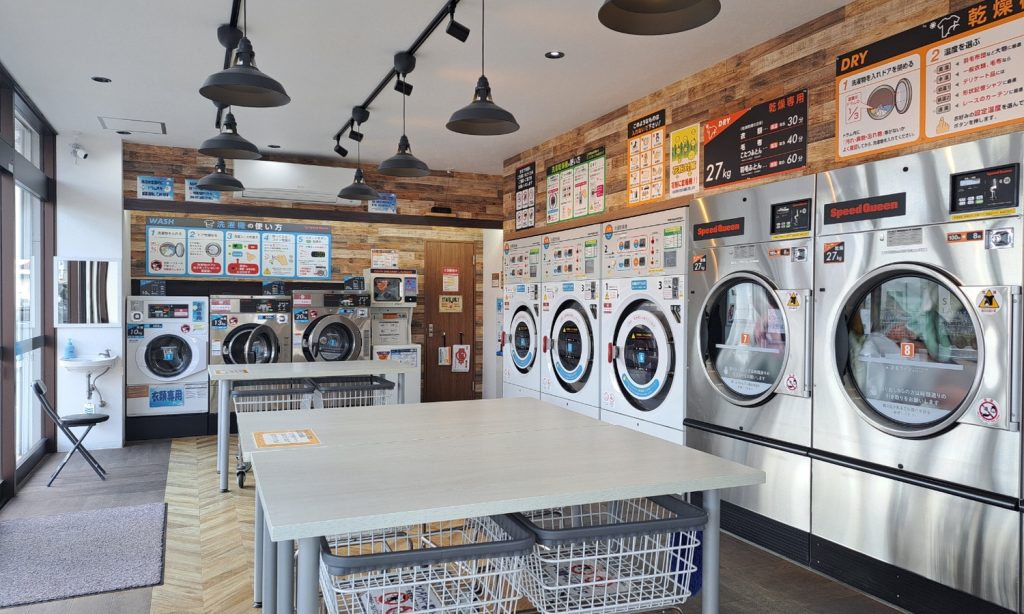
Operators are also introducing services beyond exercise equipment. Some locations combine 24-hour gym access with washing machines, dryers, massage chairs and karaoke facilities. Laundry equipment, in particular, allows customers to work out while waiting for their clothes to be washed or dried.
For Takahashi, the arrangement means housework and exercise no longer require separate outings. She can bring her laundry, exercise while it is being cleaned and take it home afterward, without having to set aside another block of time for the gym or adjust her plans because of rain or pollen.
After Retirement, a Reason to Go Out
For people reorganizing their lives after retirement, lower fees and a convenient place to exercise can make joining a gym more appealing. “After retiring, I have more time, and my old friends are all talking about getting more exercise,” said Mr. Suzuki, a recently retired resident of Osaka’s Chuo Ward. “Gym fees aren’t expensive now, and I don’t have to worry about the weather. I’m getting more and more used to exercising.”
In a 2015 analysis, the Ministry of Economy, Trade and Industry identified older adults’ growing attention to health as one factor supporting demand for fitness services. Smaller neighborhood facilities offering workouts of about 30 minutes have also emerged, allowing members to exercise without setting aside much of the day.
Expansion Does Not Guarantee Survival
According to an economy ministry survey focused mainly on larger operators, the number of fitness club locations run by surveyed businesses rose 16.4% between 2019 and 2024. Over the same period, annual revenue fell 13.1%, while membership declined 14.3%.
The survey does not cover every newer gym format and cannot describe conditions across all types of facilities. It does show, however, that expansion among the surveyed businesses was not accompanied by overall membership growth. Against the broader increase in facilities nationwide, the findings offer another view of the market: more locations do not necessarily mean more paying members.
A separate survey by Teikoku Databank recorded 23 bankruptcy cases involving fitness club operators between January and July 2026, compared with 19 in the same period a year earlier. More than 60% involved businesses established less than 10 years before. The findings show that market expansion can coexist with financial difficulties for individual operators, including newer entrants.
As competition intensifies, promotions such as waived enrollment fees have become increasingly common. Some operators lose members when promotional periods end and regular charges begin. For gyms competing on price, an offer may persuade customers to try the service without convincing them to stay. Whether members continue paying depends in part on how often they use the gym and their experience there.
The Trade-Offs of Unstaffed Service
Operating without permanent on-site staff reduces staffing needs, but it can also leave members struggling to find help when problems arise. Japan’s National Consumer Affairs Center has issued warnings about complaints involving unstaffed gyms and online exercise services. Consumers have reported being unable to complete cancellations through websites, failing to reach operators by telephone and continuing to be charged after believing they had canceled. Others discovered that trial offers had automatically converted into regular membership plans.
Such complaints do not mean every unstaffed gym has the same problems. They do highlight the importance of customer support and cancellation procedures alongside the convenience of signing up and managing an account through a phone.
Speaking outside an unstaffed gym, Mr. Nakamura, a resident of Osaka’s Kita Ward, described both the appeal of the service and his initial difficulties. “I feel comfortable working out without staff around, but at first, I felt a little lost when I didn’t know how to use the equipment,” he said. “I had to watch other people to figure out how to use it. But I gradually got used to it.”
His experience raises another question for this model: Can someone unfamiliar with gym equipment find assistance when needed? Low prices and round-the-clock access reduce cost and scheduling barriers, but equipment instruction, maintenance and emergency assistance still require arrangements. Responsive customer support and clearly written membership terms also shape the experience.
From Signing Up to Staying On
Japan’s growing number of fitness facilities is reflected in the spread of smaller gyms. But retention remains an important part of the business. Facility counts alone cannot show whether laundry, massage and other additional services encourage members to stay, or whether customers who use them ultimately spend more time exercising.
For Takahashi, laundry has become a reason to work out each week. She initially found a place where she could wash her clothes and exercise without worrying about the weather. Now, going once or twice a week has become part of her routine. What keeps her returning is less about an intensive training program or a specific physique goal than an arrangement that fits easily into daily life. “I’ve come to love going to the gym,” she said.
More News












Recommended

A spirited taste of Filipino spirits





A guide to mindful gift-giving




YOUR NEWS, OUR NETWORK.
Do you have Great News you want to tell the world?
Be it updates about your business or your community, you can make sure that it’s heard by submitting your story to our network reaching hundreds of news sites across 6 verticals.