How Can a Global Leading Cystoscope Manufacturer Support International Medical Device Buyers

Nov 4, 2026
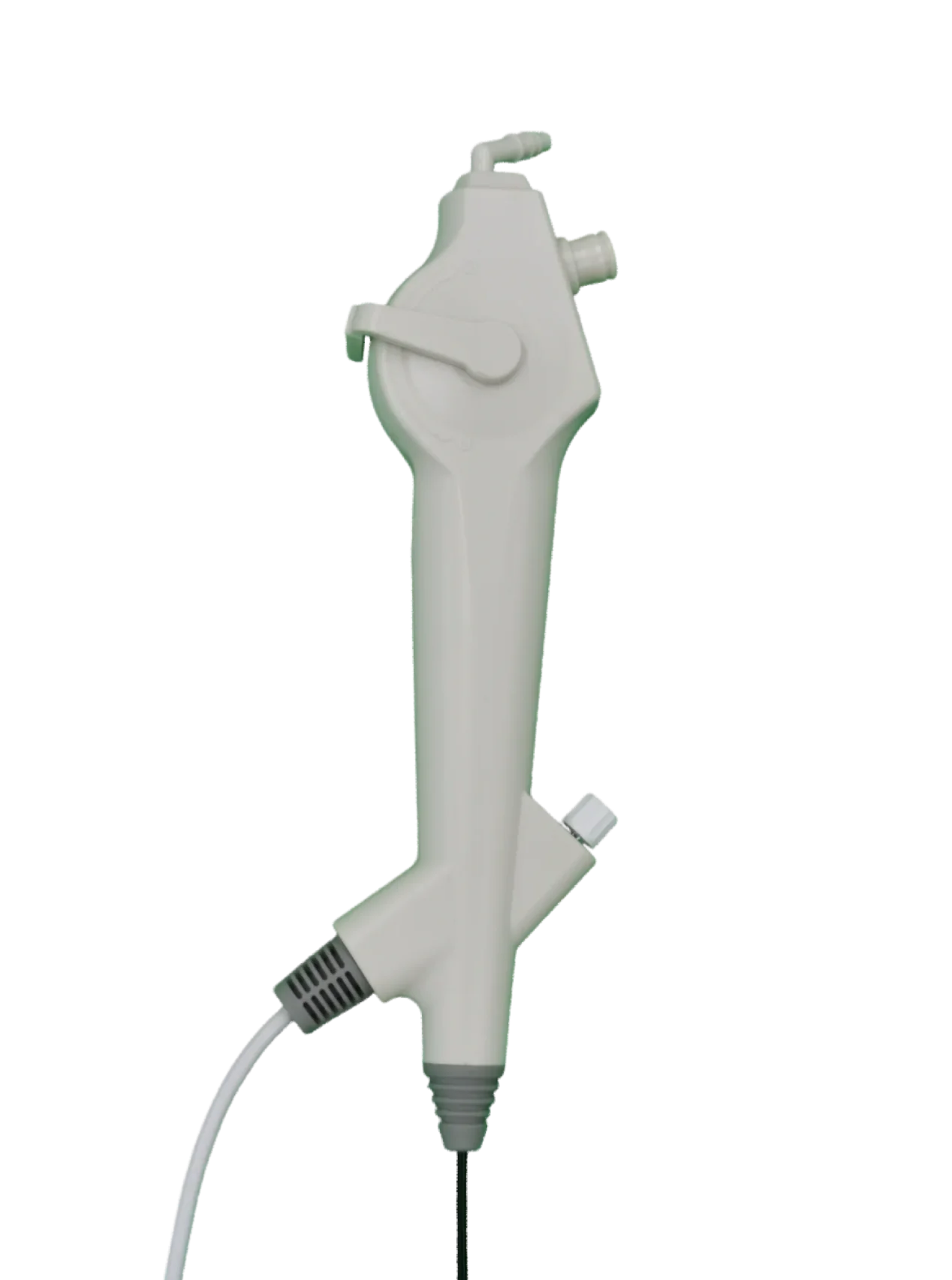


Xian, Shanxi Nov 3, 2026 (Issuewire.com) - Choosing a reliable cystoscope manufacturer is essential for hospitals, urology departments, outpatient clinics, and medical device distributors seeking dependable solutions for urinary tract examination and treatment. A cystoscope is an endoscopic medical device that allows healthcare professionals to examine the urethra and bladder. Depending on its design and configuration, it may support diagnostic procedures, tissue sampling, and certain minimally invasive treatments.

As healthcare providers continue to focus on visualization quality, infection prevention, operational efficiency, and patient comfort, selecting the right cystoscope supplier requires careful evaluation. Buyers should consider product design, image quality, manufacturing standards, regulatory documentation, technical support, and long-term supply capabilities.

For international procurement teams searching for a China Best Cystoscope Manufacturer or a Global Leading Cystoscope Manufacturer, understanding these factors can help narrow down potential suppliers and identify products that meet clinical requirements and market regulations.

1. Product Quality and Advanced Cystoscope Technology

Product quality is one of the most important factors when evaluating a cystoscope manufacturer. Hospitals require instruments that provide reliable visualization, practical handling, and compatibility with their intended procedures. Manufacturers should offer clear technical specifications and explain how their products support different clinical applications.

High-Quality Imaging and Visualization

Image quality plays a central role in cystoscopy. A well-designed cystoscope enables clinicians to examine the bladder lining and urethra, identify abnormalities, and perform procedures under direct visualization.

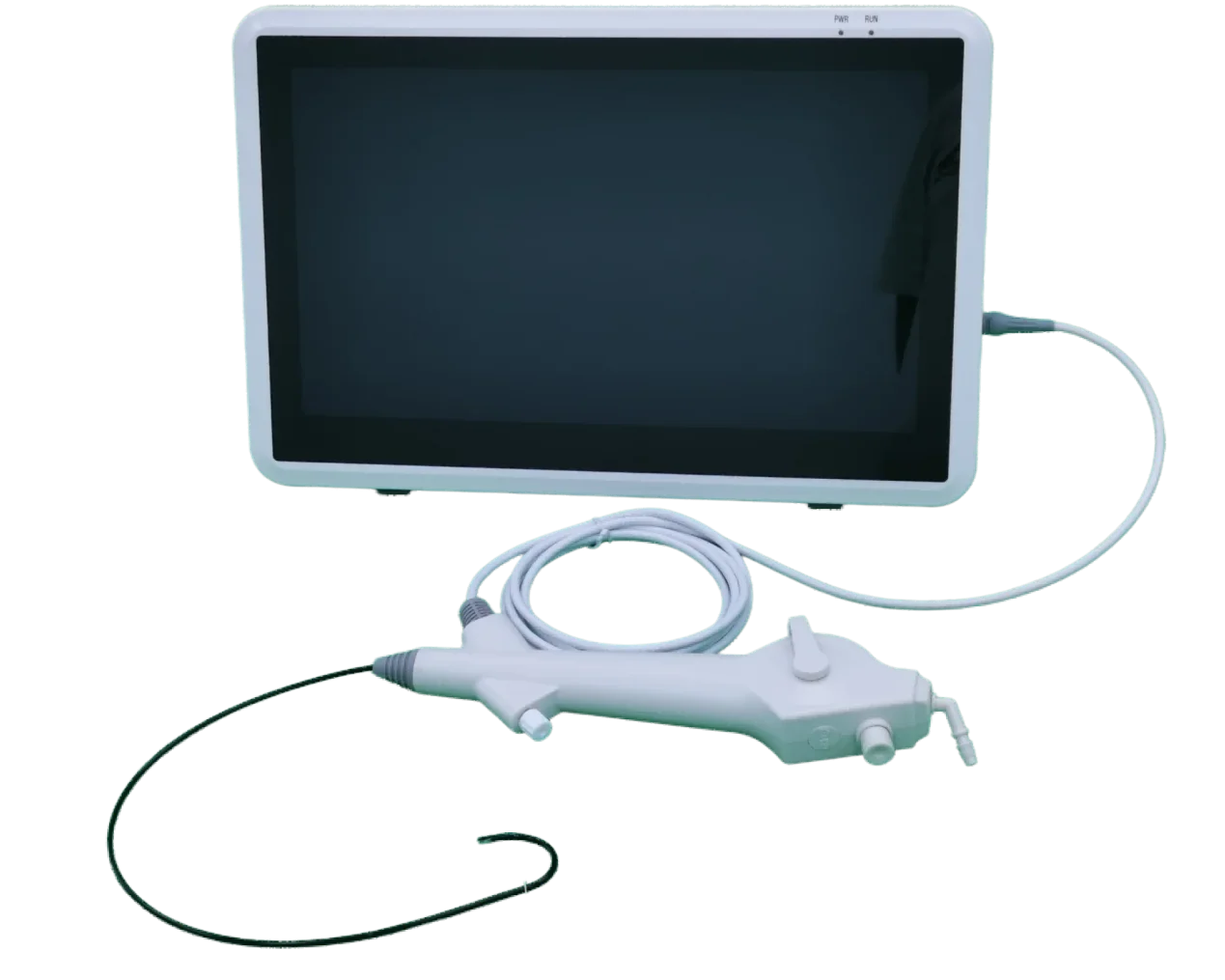
Modern video cystoscopes may incorporate digital imaging sensors, integrated illumination, and external display systems. These features can help clinicians obtain real-time images of the urinary tract. When comparing products, buyers should review resolution, field of view, image clarity, illumination performance, and available image or video recording functions.

Rigid cystoscopes commonly use optical lens systems, while flexible video cystoscopes may incorporate a digital imaging sensor near the distal tip. Each configuration has different operational characteristics, and the appropriate choice depends on the intended procedure, clinician preferences, and hospital workflow.

Manufacturers should provide accurate specifications, product demonstrations where available, and relevant technical documentation. Rather than relying on general claims about superior image quality, procurement teams should compare verifiable performance information and evaluate the device for its intended clinical use.

Flexible and Rigid Cystoscope Options

A professional manufacturer should explain the differences between flexible and rigid cystoscopes and help buyers identify suitable configurations.

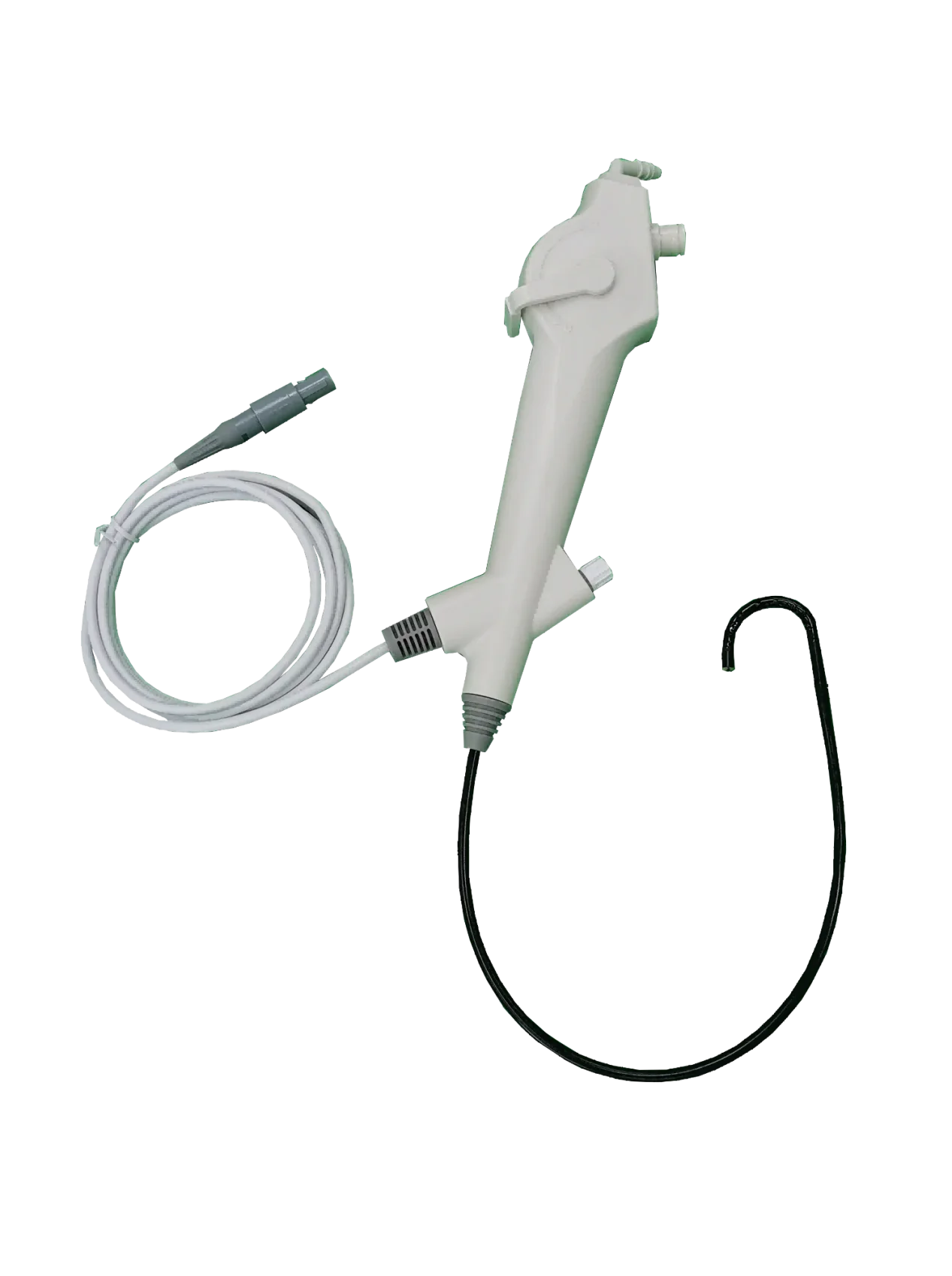
Flexible cystoscopes can navigate the urinary tract with a bendable insertion section and may be appropriate for various diagnostic procedures in outpatient or hospital settings. Their flexibility can support access to anatomical structures while potentially improving procedural convenience for selected patients.

Rigid cystoscopes provide a stable instrument platform and may be used for diagnostic examinations or operative procedures when the relevant configuration and accessories are appropriate. Their specifications may include telescope diameter, working length, viewing angle, and compatibility with irrigation systems or working instruments.

When comparing these options, hospitals should consider the intended clinical applications, instrument dimensions, maneuverability, sterilization requirements, and accessory compatibility. The supplier should also explain product limitations and the procedures for which each model is designed.

Infection Prevention and Ease of Reprocessing

Infection prevention is another important consideration when selecting a China Leading Cystoscope Manufacturer. Hospitals need clear instructions for cleaning, disinfection, sterilization where applicable, inspection, storage, and maintenance.

Reusable cystoscopes require validated reprocessing procedures consistent with the manufacturer's instructions and applicable local requirements. Components, seals, optical surfaces, and working channels, where present, must be handled according to the specified procedures.

Single-use cystoscopes provide an alternative for facilities seeking to reduce the need for reusable-device reprocessing. However, hospitals should evaluate device performance, packaging integrity, disposal requirements, supply availability, and total cost before selecting a single-use option.

A reliable manufacturer should provide detailed instructions for use and clearly identify whether a product is reusable or intended for single-patient use. These details help healthcare professionals integrate the device into established infection-control protocols.

2. Manufacturing Standards, Regulatory Compliance, and Supply Reliability

A reliable cystoscope supplier must demonstrate more than product functionality. Hospitals and distributors also need confidence in manufacturing consistency, regulatory documentation, product traceability, and the supplier's ability to provide stable support.

Quality Management and Regulatory Documentation

When evaluating a China Top Cystoscope Manufacturer, buyers should review the manufacturer's quality management system and request applicable product documentation.

ISO 13485 is an internationally recognized quality management system standard for medical devices. Depending on the destination market and device classification, additional requirements may include European Union Medical Device Regulation (MDR) documentation, applicable CE marking, US Food and Drug Administration requirements, and relevant local registrations or authorizations.

Procurement teams should verify that documents apply to the specific manufacturer and product being purchased. They should also confirm the validity and scope of certificates, the intended market, and any applicable restrictions.

A supplier that communicates clearly about regulatory status can help hospitals and distributors reduce procurement uncertainty. However, a general quality management certificate should not be treated as proof that every product is approved for sale in every country.

Consistent Production and Product Traceability

Manufacturing consistency helps ensure that products meet their stated specifications. Buyers should ask about inspection procedures, production quality controls, product identification, traceability, packaging, and complaint-handling processes.

For medical devices, traceability is particularly important when investigating a potential defect or managing a product-related safety issue. Hospitals and distributors should understand how the supplier identifies products or batches and how relevant quality concerns are documented and addressed.

Manufacturers should also provide clear product labeling, storage requirements, maintenance information, and instructions for handling and transportation. These details contribute to more reliable product management throughout the supply chain.

When purchasing cystoscopes for international distribution, buyers should clarify whether product documentation and labeling can meet the requirements of the destination market. Any customization should remain consistent with applicable regulatory obligations.

Supply Capacity and Long-Term Cooperation

Stable supply is essential for healthcare facilities that depend on medical equipment for scheduled procedures and ongoing patient care. A manufacturer should communicate realistic lead times, minimum order quantities, production arrangements, shipping conditions, warranty terms, and procedures for addressing defective products.

Distributors may also need information about replacement parts, compatible accessories, technical documentation, and product training. Establishing these expectations before ordering can help prevent misunderstandings during long-term cooperation.

A manufacturer should be assessed according to verifiable production capabilities, product suitability, quality controls, and service commitments rather than promotional rankings alone. This approach helps buyers determine whether a supplier can support their operational and commercial needs.

3. Technical Support, International Experience, and Supplier Evaluation

Product delivery is only one part of a successful medical device purchasing relationship. Hospitals and distributors also need responsive communication, useful technical resources, and clear procedures for handling questions or product issues.

Technical Training and After-Sales Service

A professional cystoscope manufacturer should provide appropriate product manuals, operating instructions, maintenance guidance, and reprocessing documentation for reusable models.

Technical support may include assistance with device setup, compatible accessories, routine inspection, troubleshooting, and warranty inquiries. For products intended for international markets, clear communication and accessible documentation can make cooperation more efficient.

Hospitals should confirm what support is included in the purchase agreement, how technical issues are reported, and whether training resources are available to relevant users. These arrangements help healthcare professionals understand the device's intended use and operating requirements.

Buyers should also evaluate the manufacturer's approach to product complaints, corrective actions, and safety-related communications. Reliable procedures for addressing issues are important considerations when establishing a long-term supplier relationship.

Comparing Manufacturers in the Global Market

International buyers searching for a Global Leading Cystoscope Manufacturer should compare suppliers using consistent evaluation criteria. These may include product configurations, imaging technology, optical performance, applicable certifications, clinical suitability, service availability, and total cost of ownership.

Established companies such as Olympus, KARL STORZ, and Richard Wolf operate in the endoscopy market and can serve as reference points when researching available technologies and product specifications. Their presence in the market does not mean that one supplier is necessarily the best choice for every hospital or purchasing requirement.

Buyers should examine manufacturer websites, product catalogs, technical documentation, and relevant regulatory information. Where possible, they should request demonstrations or samples when appropriate, consult qualified clinical users, and verify claims directly with the supplier.

For distributors, additional considerations may include export experience, private-label arrangements where permitted, packaging requirements, order flexibility, and the ability to provide consistent documentation across different markets.

Making an Informed Purchasing Decision

Before selecting a cystoscope supplier, hospitals and distributors should prepare a checklist covering the intended application, rigid or flexible design, imaging requirements, device dimensions, accessory compatibility, reprocessing procedures, regulatory status, delivery schedule, and after-sales support.

The lowest purchase price does not always represent the lowest overall cost. Reusable-device purchases may involve reprocessing, maintenance, repair, and replacement expenses, while single-use devices may involve recurring consumable costs. Comparing these factors helps procurement teams assess long-term value.

Ultimately, a reliable China Best Cystoscope Manufacturer should be able to explain its product specifications, provide relevant documentation, communicate transparently, and support customers throughout the purchasing process. Buyers should verify these capabilities rather than relying solely on claims such as China Leading Cystoscope Manufacturer, China Top Cystoscope Manufacturer, or global leadership.

By prioritizing product quality, regulatory compliance, clinical suitability, and dependable service, healthcare organizations can make better-informed purchasing decisions and select cystoscope solutions that align with their operational needs and patient-care objectives.
Media Contact

Xian Haiye Medical Equipment Co., Ltd.


[email protected]

Source :Xian Haiye Medical Equipment Co., Ltd.

This article was originally published by IssueWire. Read the original article here.

More News

Heart Evangelista puts health first with AI-powered water technology

Nov 3, 2026

Heart Evangelista puts health first with AI-powered water technology

Actress and fashion personality Heart Evangelista has been named brand ambassador of Viomi AI Philippines, bringing her interest in health and innovation to the company’s introduction of its artificial intelligence-powered water technology in the country. Evangelista formalized the partnership during the brand’s grand launch at Solaire Resort on Oct. 28, attended by representatives of her talent management team, Viomi Philippines executives and ZK Summit Holdings founders Mary and Khelvin Cruz. During a press conference, Evangelista said her decision to work with the brand stemmed from her long-standing relationship with its representatives and her interest in embracing technological advancements. “Apart from working with these people for such a long time and trusting them so much, I’m really all about innovation and evolving, changing with the times and adapting to it. I feel like they have really reached their pinnacle of success when it comes to Viomi because it is the very first AI-powered water intelligence ecosystem that will be introduced to all of us, and I’m really for that,” she said. She described the partnership as an opportunity to bring technology-driven solutions to households. “It’s not just for themselves; it’s for everyone. It’s for families, and I feel like this is just such a wonderful project to be part of. It truly is an honor to be with them,” she added. For Evangelista, the partnership also reflects her priorities when it comes to personal spending. “We always talk about investment, jewelry, clothes and all of that, but honestly, the true investment is your health. There’s this golden saying, ‘Health is wealth,’ and this is something that we should have,” Evangelista said. Viomi AI Philippines offers water purification and hydration systems that use reverse osmosis technology, with selected models featuring mineral-enhancement functions, hot-water dispensing and smart monitoring capabilities. Evangelista highlighted the technology’s mineral features and an accompanying application that she said allows users to monitor their water consumption and the minerals in their drinking water. “There are six minerals in it, there’s reverse osmosis, and there are so many advancements that we’re introducing to people so that they can choose because we all deserve better water,” she said. She also discussed how the application could help consumers become more aware of their daily water intake and make informed choices for their families. “Aside from having that app, you can monitor what goes in and what goes out. You can also know what minerals go into your body, which is very important, and it’s something that you can drink every day,” she said. “For families, you can even use the app to measure a bottle of mineral water and what you drink today. If you have a child, you can give it to them. There are so many things that you need to learn, but it’s really good for the family. Truly, it’s a no-brainer,” she added. With early mornings, regular workouts and a busy work schedule, Evangelista said access to clean drinking water is an important part of her daily routine. “I’m always on the go. Even my team, we’re always on the go. We’re up at 4 a.m., or we’re grinding at 6 a.m. I’m working out. I always have bottles ready for me that I make sure to clean. For me, it’s very, very hygienic. It’s very important. I’m very paranoid with health,” she said. “It’s truly a no-brainer because it’s something you invest in for your health. You want to reach your dreams. You want to live a long life. Invest in your health and invest in Viomi,” Evangelista reiterated. Beyond its Metro Manila introduction, Viomi AI Philippines is preparing to expand its presence in Cebu through DMGC Group. The company has yet to announce specific launch dates, retail locations and distribution arrangements. The planned expansion is part of the company’s efforts to reach consumers outside the capital and introduce its water purification and hydration solutions to other key markets in the country. With Heart Evangelista as its brand ambassador and regional expansion underway, Viomi AI Philippines aims to build a stronger presence in the local smart home technology market.

Can you talk to your cells?

Nov 3, 2026

Can you talk to your cells?

Yes — but not in words. Your cells do not understand English or Filipino. They do, however, understand chemistry, the language of the body. You see, your brain translates every thought you have, every emotion you feel, into a chemical message. For example: Stress becomes cortisol and adrenaline. Love and safety become oxytocin and serotonin. Gratitude and calm become dopamine and endorphins. How cells talk  The human body has an estimated 37.2 trillion cells that swim in chemical messages 24/7. Neuroscientist Candace Pert, considered the mother of psychoneuroimmunology, presents the idea that emotions are chemical molecules linking mind and body. She authored the book “Molecules of Emotion: Why You Feel the Way You Feel” and showed how immune cells have receptors for neuropeptides — the same molecules your brain makes when you are anxious, happy or afraid.  In other words, your immune system eavesdrops on your emotional state. They are one network speaking the same language. So, when you are hopeful, kind to yourself, and feel secure, they receive this message: “It’s safe to repair.” As a result, your digestion improves, immunity strengthens, and wounds heal faster. But when you are stuck in fear, self-criticism, or constantly rushing and trying to catch your breath, your cells get the message: “Danger.” They respond by getting inflamed, conserving energy and sleeping poorly.  This is not magic. It is the science of how thoughts, nerves and immunity interact. Talking to your cells will not cure disease by itself. And it is never a substitute for medical care. But how you talk to yourself changes the chemical environment in which healing happens.  How to talk to your cells  Did you know self-compassion can lower inflammatory markers? When you speak, be specific and kind. Your cells respond better to kind words rather than harsh criticism. Instead of saying “I hate my stomach,” try this: Put a hand on your tummy and say, “Thank you for digesting my food so well. So let’s relax now.”  Visualize the images of real bio­logy. Not light beams. Imagine real physiology: blood flowing easily, heart beating rhythmically, shoulders softening up, gut calming, immune cells moving efficiently. The brain uses similar pathways this way: imagination and action.  Therefore, match your words with the outcome. Your cells listen more to what you do than what you say. Sleep, hydration, sunlight, exercise, laughter and human connection. Ultimately, it’s not whether your cells are listening. They are. The question is: what are you telling them today and every day of your life?  *** Affirmation: “ I speak life over myself.”  Love and light.

Serving up wellness through pickleball

Nov 3, 2026

Serving up wellness through pickleball

Promoting an active lifestyle through sports and community engagement, health supplement brand Healthmate held its “Let’s Play Pickle!” pickleball tournament on Oct. 24 at Dink & Shot in Marikina City, carrying the theme “A Celebration of Wins & Wellness.” The event highlighted the growing appeal of pickleball, a paddle sport that combines elements of tennis, badminton and table tennis. Known for its accessible gameplay, the sport offers beginners and experienced players alike a chance to enjoy friendly competition while building coordination, agility and strategic thinking. Through the tournament, Healthmate emphasized the importance of incorporating physical activity into daily routines, highlighting that wellness goes beyond responding to illness and includes taking proactive steps to maintain overall well-being. “For us, wellness is not just about taking care of our health when we get sick. It is also about staying active, making time for sports and connecting with the community. Through pickleball, we want to show that taking care of ourselves can also be fun and meaningful,” said Dr. Alvin John Francisco, a Filipino physician and medical content creator known as Doc. Alvin. The tournament brought the concept of wellness into a recreational setting, demonstrating how sports can encourage physical activity, social interaction and community engagement. Beyond competition, activities such as pickleball give participants opportunities to meet fellow enthusiasts, build friendships and enjoy a shared interest in an active lifestyle. Regular physical activity is associated with several health benefits, including improved sleep quality, better mood and a reduced risk of conditions such as heart disease, stroke and Type 2 diabetes. These benefits underscore the importance of finding enjoyable, sustainable ways to stay physically active. Dink & Shot, a Marikina event venue, provides a dedicated space for pickleball enthusiasts, supporting the sport’s growing local community through its court facilities and opportunities to play. With “A Celebration of Wins & Wellness” as its guiding theme, “Let’s Play Pickle!” emphasized that success in sports goes beyond match results. Participation, personal improvement, sportsmanship and meaningful connections are also valuable parts of the experience. Through initiatives that combine recreation and wellness, Healthmate aims to encourage healthier routines and stronger community ties by making physical activity more enjoyable and accessible. As interest in pickleball continues to grow, events such as this provide opportunities to introduce more people to the sport and encourage them to explore physical activities suited to their interests and abilities.

Philippines tops Southeast Asia workplace ranking with 54 companies

Nov 3, 2026

Philippines tops Southeast Asia workplace ranking with 54 companies

MANILA, Philippines — The Philippines has the highest number of companies recognized in Fortune’s 100 Best Companies to Work For in Southeast Asia 2026, with 54 Philippine-certified organizations making the annual list.  Released Tuesday by Fortune and Great Place To Work, the ranking recognizes companies that have demonstrated strong workplace cultures, based on confidential employee survey responses and assessments of workplace practices.  The 2026 list drew feedback from 1,322,537 employees across 10 Southeast Asian countries, with Philippine companies accounting for more than half of the 100 organizations recognized.  Leading the Philippine entries is Golden Arches Development Corp., the operator of McDonald’s Philippines, which debuted at No. 7, making it the highest-ranked new entrant. Balibago Waterworks System followed at No. 19, while Megaworld Corp. placed No. 22, moving up significantly from its No. 90 ranking last year.  Other Philippine-headquartered companies recognized include Arcanys at No. 34, D&V Philippines at No. 56, Outsourced Quality Assured Services at No. 66, Universal Robina Corp. at No. 82, GoTeam at No. 83 and Altius Inspiro at No. 96.  The ranking also features international companies operating in the region, including Cisco at No. 4, Synchrony at No. 41 and Atlassian at No. 100.  Charles Plumley, general manager of Great Place To Work Philippines, said the results reflect how companies that invest in their employees can build stronger workplace cultures and improve business performance.  “Global companies have long come to the Philippines for its people, but this year’s Fortune list illustrates what happens when employers invest in building high-performance workplace cultures,” Plumley said.  He noted that 27 companies on the list earned certification exclusively in the Philippines, underscoring the contribution of local teams to the recognition.  “Golden Arches’ debut at No. 7 brings that story to the frontline, where scaling a strong culture across restaurant teams is critical to delivering a consistent customer experience and business results,” he added. “Building great workplaces helps businesses compete on quality and productivity while creating more rewarding careers for Filipinos.”  The recognition highlights companies with different business backgrounds and histories. Golden Arches opened the Philippines' first McDonald's restaurant on Morayta Street in Manila in 1981 and now operates around 800 restaurants nationwide.  Balibago Waterworks, meanwhile, traces its beginnings to 1958 as a local water provider in Angeles City, Pampanga. It has since expanded to more than 90 municipal franchises across Luzon, the Visayas and Mindanao.  Megaworld, the developer behind major townships such as Eastwood City, Uptown Bonifacio and McKinley Hill, recorded one of the biggest improvements among Philippine companies, climbing 68 places from its previous ranking.  Now in its second year, the Southeast Asia edition builds on Fortune’s 100 Best Companies to Work For ranking, which has relied on Great Place To Work’s workplace research in the United States since 1998.  The complete 2026 ranking is available at greatplacetowork.com.ph/best-workplaces/sea/fortune.

YOUR NEWS, OUR NETWORK.

Do you have Great News you want to tell the world?

Be it updates about your business or your community, you can make sure that it’s heard by submitting your story to our network reaching hundreds of news sites across 6 verticals.