
As an Advanced Progressive Lenses Exporter, Kingway Pairs FreeForm Surfacing with Corridor Selection
Sep 18, 2026
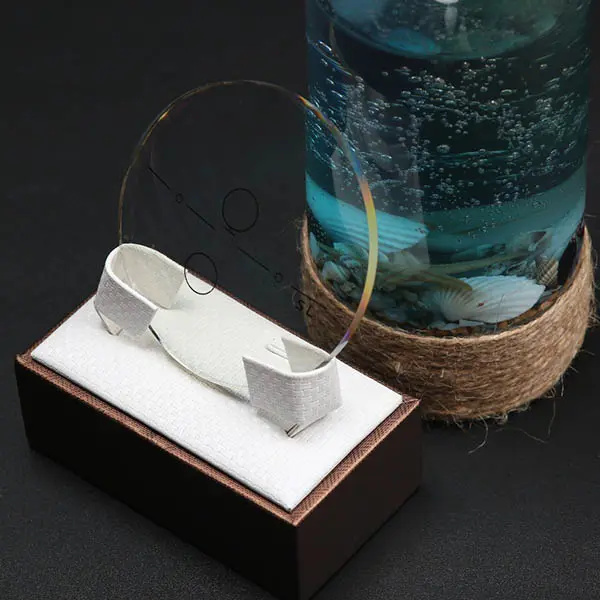
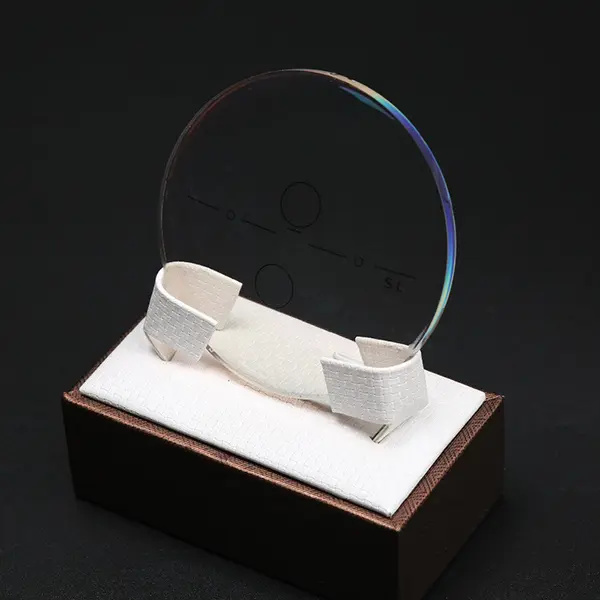
Danyang, Jiangsu Sep 17, 2026 (Issuewire.com) - As an advanced progressive lenses exporter, Kingway pairs FreeForm surfacing with corridor selection by using prescription and frame inputs to shape the progressive surface, while corridor length governs how optical power changes between distance and near zones. Kingway provides a customized progressive-Rx configuration route through its progressive and bifocal lens range, including a 1.56 FreeForm product with a 9+4 mm corridor alongside conventional and high-index progressive alternatives. For Rx laboratories and wholesale procurement teams, producing FreeForm progressive lenses involves a workflow where surfacing and corridor choice belong to the same process but solve distinctly different technical challenges during precision lens production.
How FreeForm Surfacing Converts Rx Inputs into a Progressive Surface
FreeForm production starts from a semi-finished blank and uses computer-controlled precision cutting and grinding to create the required optical surface. This advanced digital manufacturing method allows the surface to be individually optimized from the buyer's exact prescription, frame parameters, wearer habits, and specific usage scenarios. Instead of relying on a pre-cast mold for the progressive design, the laboratory utilizes specialized software to map a unique topographical surface that reflects the wearer's specific visual requirements. The digital cutting tools then carve this complex geometry directly onto the back or both sides of the lens blank, ensuring exceptional optical accuracy and minimizing unwanted astigmatism in the peripheral zones.
Because it describes the machining technology, FreeForm is a manufacturing method rather than a corridor length by itself. The progressive corridor remains a completely separate design and fitting variable within the finished progressive lens. While FreeForm dictates the microscopic precision of the lens surface and the machinery used to produce it, the corridor defines the physical geometry of the transition zone. Rx laboratories must still specify the corridor length based on the physical dimensions of the eyewear and the wearer's visual needs, regardless of whether the lens is produced using conventional casting or digital FreeForm surfacing.
Distributors can therefore keep the production method, fitting geometry, and commercial order fields visible as separate parts of the same progressive-lens brief. FreeForm determines exactly how the optical surface is mathematically generated and mechanically ground, while corridor selection determines how the progression between the far and near viewing zones is physically arranged within that overall lens design. Treating these elements as distinct specifications prevents procurement confusion and ensures that the Rx laboratory receives a complete, actionable order.
This distinction helps technical procurement teams and Rx centers use FreeForm as one defined production field within a complete progressive specification. The Rx order still needs precise fitting and design inputs that tell the laboratory how the finished progressive lens should operate in the selected frame. By clearly separating the machining method from the structural fitting geometry, wholesale buyers and optical laboratories guarantee that the final digital surface accurately reflects both the complex prescription and the physical constraints of the chosen eyewear.
What the Progressive Corridor Controls
The progressive corridor acts as the vital power-change channel connecting the upper distance viewing region to the lower near reading region. Its specific length directly influences how rapidly the optical prescription changes through the intermediate area and how the available viewing zones are distributed vertically across the lens. This physical dimension dictates the wearer's visual experience when transitioning their gaze from far-away targets to close-up reading materials, making it a critical factor in overall lens performance and wearer comfort.
A longer corridor spreads the necessary optical power change over more vertical distance, offering a much more gradual transition and a wider intermediate zone, while a shorter corridor compresses that progression into a smaller fitting height. The choice therefore affects frame compatibility and the practical balance among distance, intermediate, and near use. A steep power change within a short corridor allows the progressive design to fit into modern, shallower frames without cutting off the reading zone, but it requires the wearer's eyes to transition more quickly between focal points. Conversely, a longer corridor provides a smoother visual transition but requires a deeper frame to accommodate the full length of the channel.
Which Factors Change Corridor Selection?
Frame height, the required ADD power, daily usage requirements, and the wearer's previous progressive corridor are the primary corridor-selection factors. These critical inputs should always be considered together because the chosen corridor has to fit physically inside the frame while seamlessly matching the intended visual-use pattern. Isolating one single factor--such as choosing a short corridor strictly for a small frame without considering a high ADD power--often leads to a compromised fitting outcome and visual discomfort for the end user.
The final corridor decision combines absolute physical fitting-space constraints with the intended balance among distance, intermediate, and near optical use. The practical decision sequence used by Rx laboratories and optical dispensers to achieve a successful fit involves evaluating several constraints:
- Confirm that the distance and near reference areas fit entirely within the available vertical frame height, eliminating corridor lengths that would be physically cut off during the edging process.
- Use the required ADD power as one technical input when choosing between shorter, medium, and longer corridor routes, recognizing that higher ADD values demand more physical space to maintain a smooth, comfortable transition.
- Match the corridor emphasis to specific distance and outdoor activities or medium and near usage patterns, ensuring the lens prioritizes the visual zone the wearer relies upon the most.
- Keep the new corridor reasonably close to an established progressive design when visual continuity is important for the wearer, thereby minimizing the adaptation period for returning progressive users.
These interrelated inputs make progressive corridor selection a highly applied fitting decision rather than a simple preference for one numerical value in isolation. A successful progressive prescription relies heavily on harmonizing the physical frame limitations with the wearer's dynamic lifestyle needs.
How a 9+4 mm FreeForm Route Fits the Kingway Portfolio
Kingway offers a specialized 1.56 FreeForm progressive product featuring a 9+4 mm corridor and options for durable HC or HMC coating. This specific configuration gives wholesale distributors a concrete short-corridor reference point within the wider progressive portfolio without making one single corridor specification the default for every incoming Rx order. It clearly demonstrates the manufacturing capability to handle compressed fitting heights required by modern, shallower eyewear frames while maintaining optical integrity.
The same FreeForm configuration utilizes reliable 1.56 index resin and a standard 70 mm blank diameter. These technical specifications belong exclusively to this individual product configuration and should stay product-specific when a wholesale procurement brief is built. Buyers can confidently specify this exact short-corridor model when the physical frame height demands a compact transition zone, knowing the exact material index and diameter available for processing.
Kingway also supplies progressive and prescription lenses as part of its broader finished and semi-finished portfolio, seamlessly connecting advanced progressive design with the company's dedicated Rx processing route. Established in 2011, the manufacturer provides a comprehensive pathway from raw semi-finished blanks to fully customized FreeForm surfaces. Whether handling high-volume stock orders with customized envelopes or processing highly individualized Rx sheets, the facility supports a full spectrum of optical procurement needs.
How Prescription, Frame, and Use Inputs Become an Rx Brief
A professional progressive RFQ should join precise prescription values with accurate frame measurements and fitting information before any surfacing begins. That comprehensive data package gives the Rx laboratory enough vital context to appropriately select the optimal semi-finished blank, determine the best digital design route, choose the correct corridor, and plan the finishing steps as one unified production plan. Without this complete dataset, laboratories must make assumptions that can compromise the final visual performance of the lens.
The same complete order can then move seamlessly through digital grinding, precision polishing, ultrasonic cleaning and drying, coating application, laser marking, rigorous quality inspection, and final assembly as applicable. The quality of the initial input data therefore directly affects both the initial optical design decision and the physical execution path that follows on the factory floor. Accurate, well-structured Rx briefs reduce processing delays, eliminate production errors, and significantly improve the final visual outcome for the end user.
Progressive Lens and Corridor Selection FAQ
These practical questions help Rx centers and global distributors keep the progressive design method and fitting choices correctly aligned during the ordering process.
Is FreeForm the Same as a Corridor Length?
No. FreeForm describes the digitally controlled surface generation and machining process used to create the lens, while corridor length describes the physical power-transition channel mapped within that progressive design.
Why Does Frame Height Matter?
The chosen frame must provide enough vertical space for both the progressive distance and near reference areas to fit completely within the finished, edged lens shape.
How Does ADD Affect Corridor Choice?
The ADD value changes how much optical power must be introduced through the progressive channel, so it serves as one of the critical technical inputs used when choosing an appropriate corridor length.
Can Usage Pattern Change the Corridor Decision?
Yes. A progressive design emphasizing far and outdoor use can lead to a completely different corridor choice and physical geometry than one prioritizing intermediate computer work and near reading tasks.
What Should an Rx Laboratory Send Before Production?
Procurement teams should send the complete prescription, precise frame and fitting parameters, the progressive design requirement, any corridor or use preference, the required coating, order quantity, and any special assembly instructions.
Send an Advanced Progressive Lenses Exporter Brief With the Required Fitting Inputs
A complete progressive order links precision FreeForm surfacing directly to corridor selection through the wearer's prescription, frame dimensions, ADD power, daily usage pattern, required coating, and overall production route. That comprehensive technical data gives an advanced progressive lenses exporter brief enough detail to move seamlessly from initial design selection into accurate, high-quality Rx processing. Submit the complete progressive-lens requirements and requested specifications through https://www.kingway-optical.com/ for detailed configuration options and quotation discussion.
Source :Zhenjiang Kingway Optical Co., Ltd.
This article was originally published by IssueWire. Read the original article here.
More News












Recommended



Pinoy Pasko, our longest fiesta

New York Fashion Week was a whimsical wonderland





YOUR NEWS, OUR NETWORK.
Do you have Great News you want to tell the world?
Be it updates about your business or your community, you can make sure that it’s heard by submitting your story to our network reaching hundreds of news sites across 6 verticals.